Combating Desertification, Promoting Carbon Neutrality and  Transforming Lives

Combating Desertification, Promoting Carbon Neutrality and Transforming Lives
Mr. Yogesh Sawant
June 17, 2023
Mr. Yogesh Sawant
June 17, 2023

Desertification, climate change and biodiversity loss are the key problems of sustainable development. Desertification is mostly caused by land deterioration. According to estimates, 120.4 million ha of India’s geographical area is degraded, of which 104.2 million ha is arable land, resulting in a loss of 5.37 to 8.4 million tonnes of soil nutrients (NAAS, 2021).

To address land deterioration and desertification, location-specific, socially acceptable, environmentally benign and cost-effective strategies need to be adopted. BAIF Development Research Foundation, an NGO working in sustainable development in 14 Indian states, has promoted the following strategies:

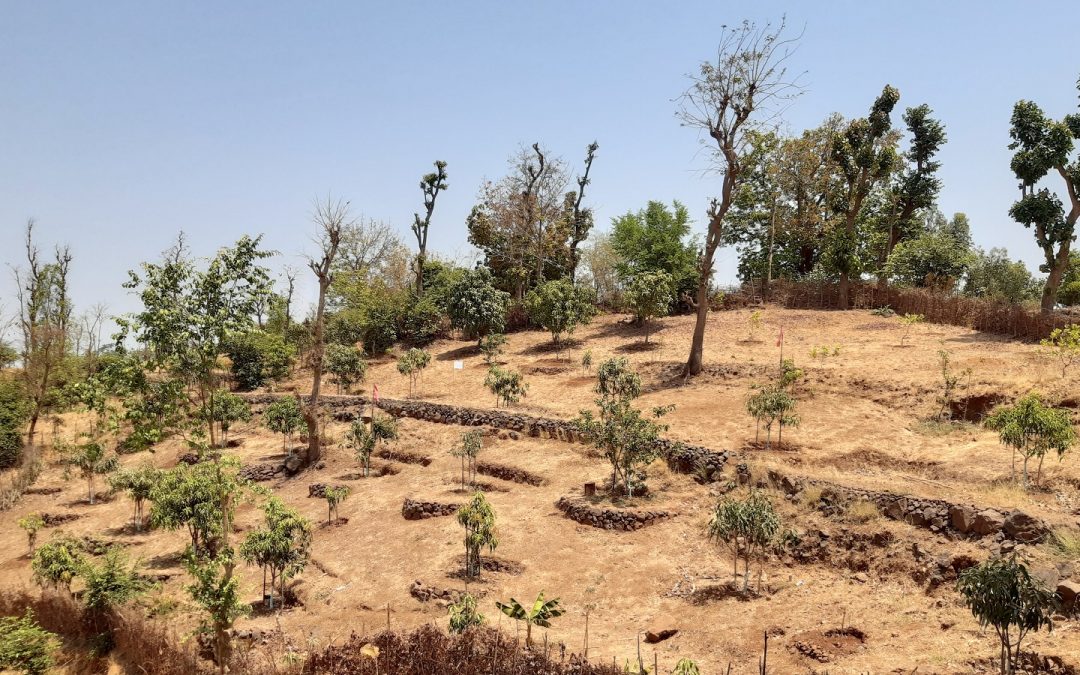
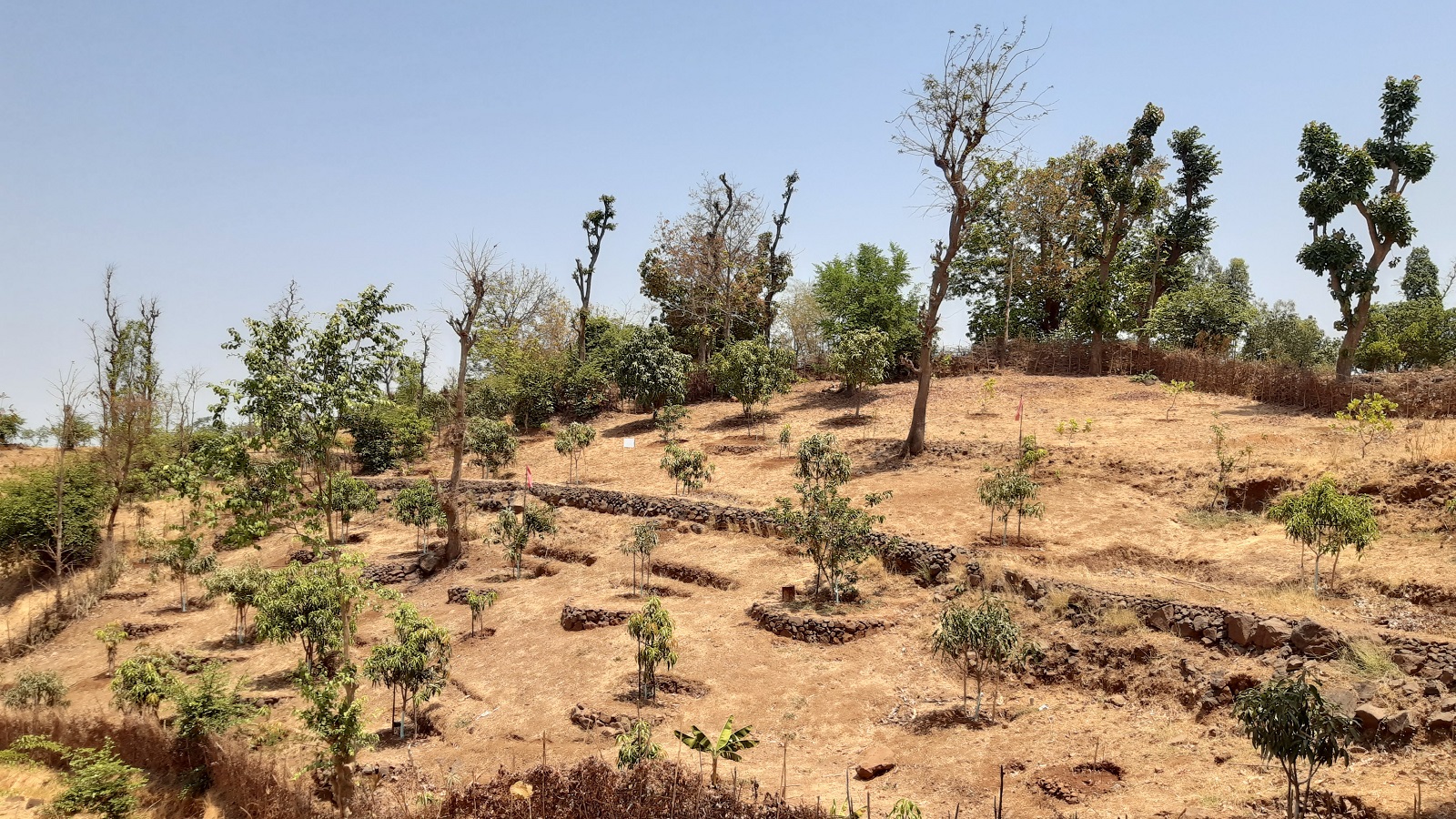
Wadi (Agri-Horti-Forestry System): Under this programme, fruit trees are planted as the main crops with vegetable crops and pilot-scale cash crops as intercrops on land owned by resource-poor families, for income generation, while forestry trees with multipurpose uses such as fodder, herbs, timber, NTFP and fuel wood are planted along farm boundaries. This model emphasises on the promotion of indigenous and local tree species. While the focus is on legume crops, efforts are also undertaken to identify local agro-biodiversity, purify, characterise and promote elite local landraces of main crops in the particular area.   The approximate tree density ranges from 750 to 950 trees per hectare. Site-specific appropriate soil conservation techniques and diverse organic practises such as green manuring, on-farm compost production and application and in-situ composting have helped in improving the physical and biological properties of soils.

To ensure the availability of water for consumption and protective irrigation, appropriate decentralised micro-water resources such as springs, group wells and check dams have been installed. Farmers are also organised into Farmer Producer Organisations for aggregation, processing and marketing of farm produce for value chain development. Improved quality of life of the participating families is ensured through the promotion of location-specific and need-based preventive health measures such as clean drinking water, improved nutrition, personal hygiene and sanitation and women and child health.

The Wadi programme has checked soil erosion and improved soil parameters. In addition to halting land degradation, the programme has resulted in increased livelihoods, resilience and nutrition. More than 2 lakh (0.2 million) families have adopted wadis, converting 35417 ha of degraded lands into sustainable productive assets while combating mitigation. More than 0.45 million families in 25 states have benefited from the Wadi approach adopted under the NABARD-supported Tribal Development Fund and with BAIF functioning as a Resource Support Organisation. Studies indicate that these wadis sequester roughly 23T C per ha over a period of 10 years.
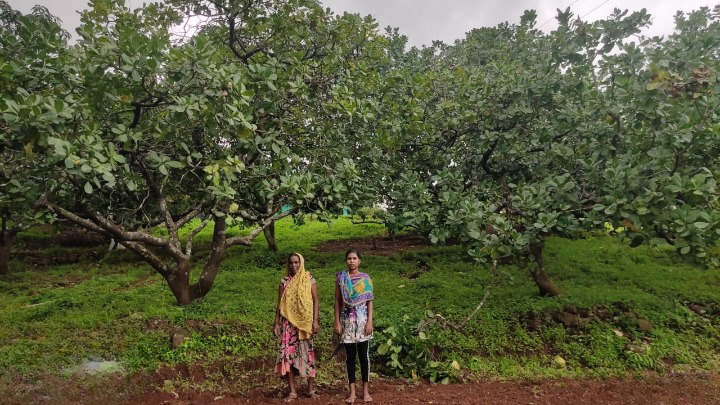
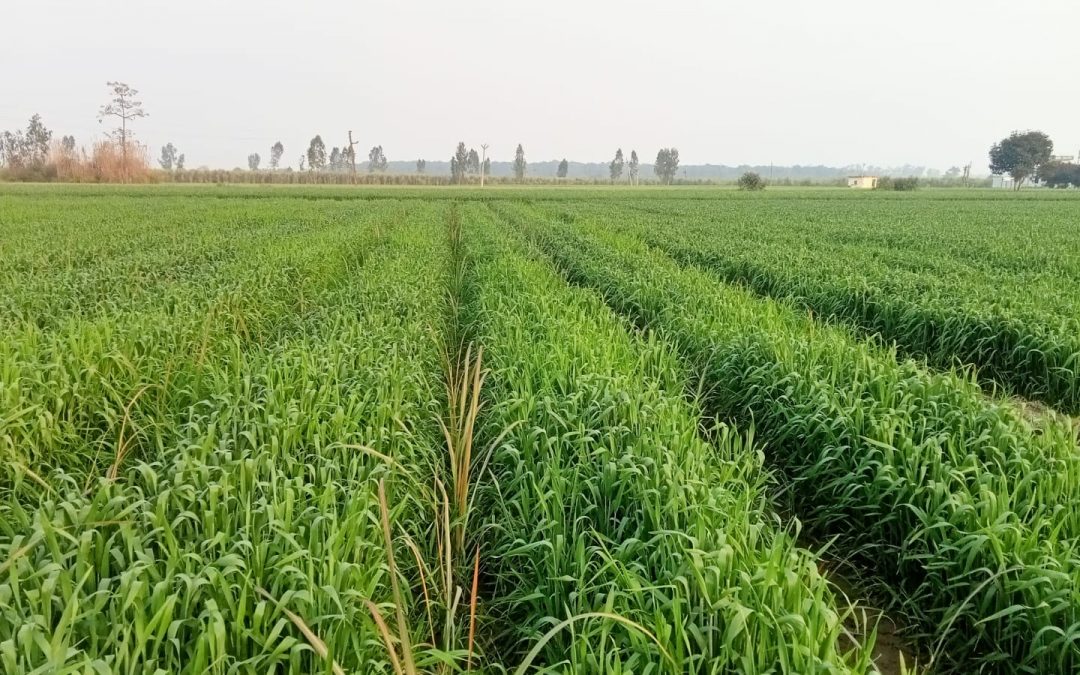
Natural Resource Management: BAIF has also adopted several natural resource management and landscape development strategies. A comprehensive assessment of the current state of natural resources such as land, water and forests is followed by participatory planning and implementation of conservation and restoration measures. Based on the demand and available resources, several approaches such as watershed development, soil and water conservation, soil improvement, water management and silvipasture development have been implemented. The emphasis is on appropriate soil improvement practises such as the use of organic inputs and biochar, recycling of agricultural waste and low tillage practises. Specific measures are also adopted for the management of saline soils.

BAIF has promoted the IRESA programme, which uses cow dung to generate biogas with the resultant slurry turning into phosphate-rich organic manure (PROM) and serving as a rich source of nourishment for plants and replenishment of soils while substituting synthetic fertilisers.      

BAIF has already treated 3.6 lakh ha of land in 12 Indian states. These methods have slowed down land degradation, improved soil health and increased water availability, all of which have increased crop yield and fodder availability. This has resulted in surplus income for farmers and sustainable management of natural resources. Studies indicate that these strategies have also improved soil carbon while contributing to climate change mitigation.

These climate change mitigation strategies are ensuring the restoration of land, improving soil moisture, biodiversity, farm yields and resilience of small and marginal farmers while contributing to poverty alleviation and Nationally Determined Contributions identified by the Government of India.

Contribution to Sustainable Development Goals


Mr. Yogesh Sawant

Chief Thematic Programme Executive
Farm-based Livelihood and Climate Action
BAIF Development Research Foundation

Linkedin Profile

Soil matters! Pathways to adaptation and mitigation!

Soil matters! Pathways to adaptation and mitigation!

Mr. Ravi Kote
June 05, 2023
Mr. Ravi Kote
June 05, 2023

Soil is vital to human life as it impacts major ecosystem services such as food, water quality, groundwater, stream flow and soil erosion. Soil plays a very important role in supplying nutrients and favourable physicochemical conditions to plant growth, promoting and sustaining crop production,  providing habitat for soil organisms,  reducing environmental pollution,   resisting degradation and maintaining or improving human and animal health. The major challenges impacting the soil ecosystem are rainfed farming, high soil erosion and climate risks, and lack of understanding about soil health and low crop yields.  Land degradation worldwide is considered to be the major reason for low productivity. The current agricultural practices and climate challenges are causing soil erosion faster than the natural process of replenishment of soils. Estimates indicate that nearly 50 percent of the irrigated land in arid and semi-arid regions have some degree of salinization. As per Indian Council of Agricultural Research (ICAR) reports, the area under problem soils has increased from 220 lakh hectares (2005) to 243 lakh hectares (2010). This indicates that there is scope for improving the health of problem soils in India and sustaining it by creating awareness,  promoting regenerative practices, and monitoring for ensuring healthy and secure food and water,  carbon sequestration, a healthy environment, and an ecosystem. Sustainable soil health management contributes to Sustainable Development Goals 2, 3 6, 13, and 15.

Soil Organic Carbon (SOC) is an important soil health indicator for its contribution to food production, climate change adaptation and mitigation. SOC can be lost as CO2 or CH4 can be emitted back into the atmosphere as eroded soil material or dissolved organic carbon washed into rivers and oceans.

Why is soil health important?

SOC management worldwide plays an important role in voluntary carbon markets as it is linked with carbon stocks. The turnover which may be in a few months,  years, or for an even longer duration, fetches carbon credits to farmers. The factors affecting SOC are climate- extreme events like drought, flood and rise in temperature, land use, vegetation, Hydrology (Water content) and Soil texture.

Practices to convert soil into net carbon sinks:

  1. Soil conservation measures such as contour bunds, vegetation/plantation/grass development on bunds, silvopasture, agroforestry, afforestation and forest conservation.
  2. Ensure proper drainage conditions in waterlogged soils, particularly in wetlands and rice fields which are the largest sources of methane emissions.
  3. Application of water in required quantity as well as quality.
  4. Integration of organic fertilizer and manure
  5. Use of vermicompost and biochar produced from unused crop residues and green manuring.
  6. Cover crops, crop rotation, and crop diversification.
  7. Integrated Pest Management.
  8. Supply balance plant nutrients based on soil tests and nutrient analysis.

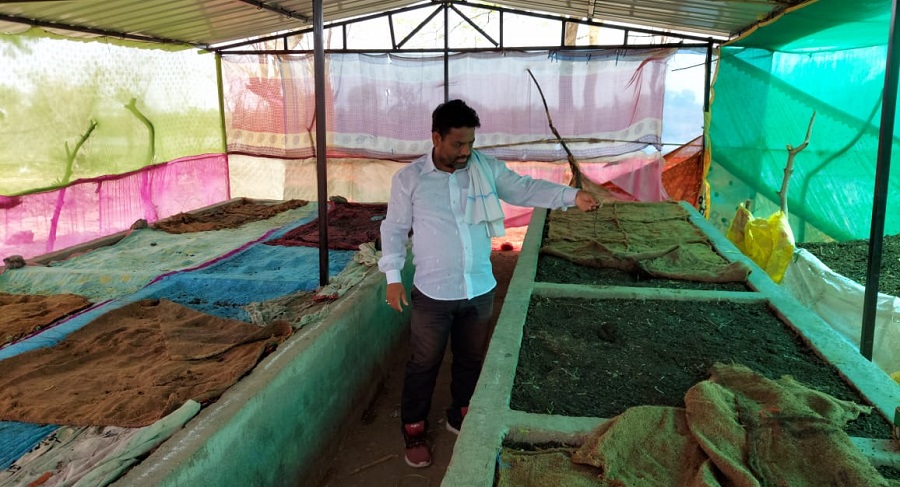
Rambhau Wagh, a farmer from Parkhed village near Khamgaon, Buldhana district of Maharashtra, owns 1.2 ha land. He has always been encountering low productivity and high production cost. On realising the importance of healthy soils, he took up  vermicompost production  and sold the surplus  to  nearby farmers.

He established six beds of 3 x 1 x 0.75 m size to produce 0.25 tons/bed/cycle which is now fetching him  an additional income of INR 3500 per cycle.

Jyotiben Khatariya from Ambapur village in Gandhidham district of Gujarat was unable to cultivate her 5 acres of land due to high salinity. After observing the effect of   subsurface drainage  on others’ fields she replicated it on her land and was able to  fetch a good yield from cotton and mustard crops.

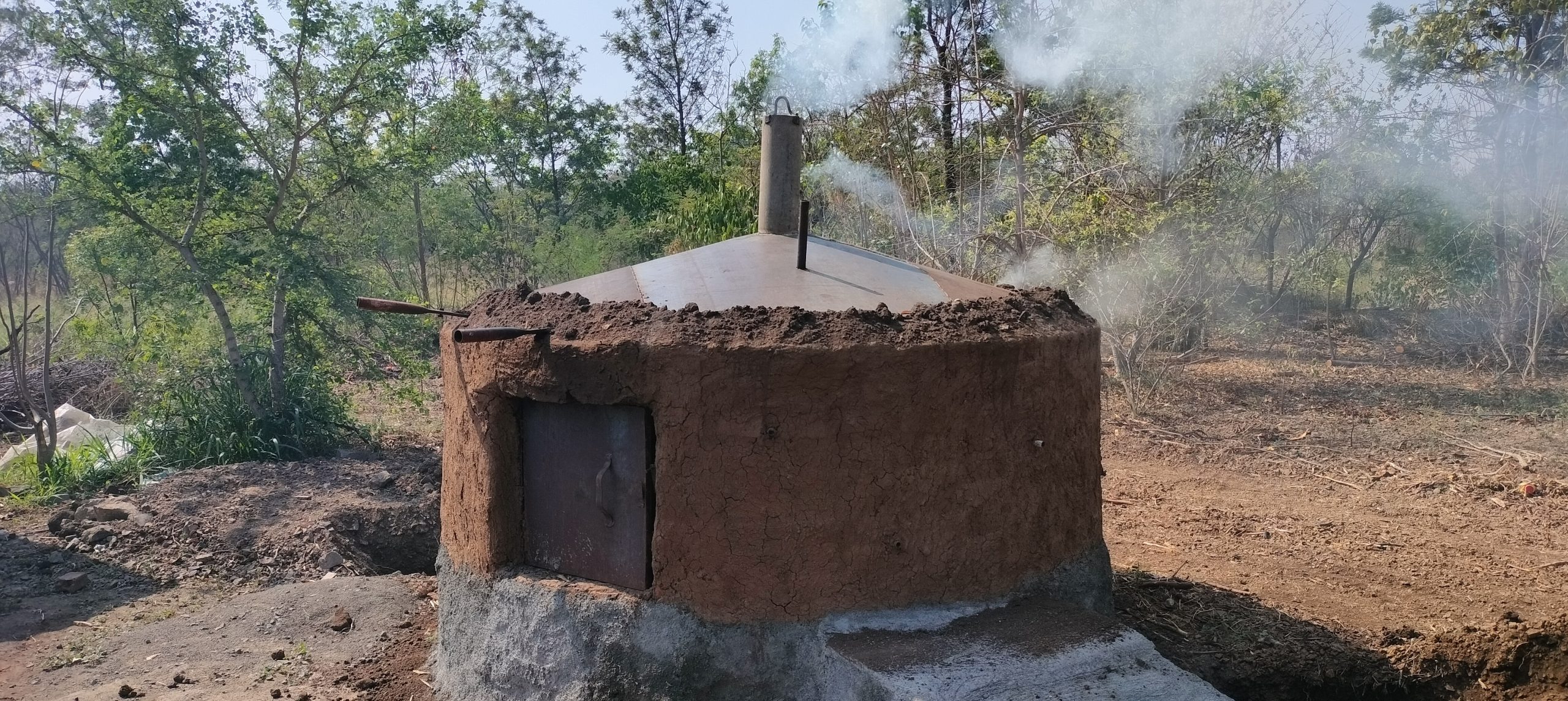
Burning of unused crop residue, a common practice among farmers in India,  contributes to carbon emission.  To address this issue, a Farmer Producer Organisation (FPO) established a biochar production unit which enabled farmers to sell their waste biomass to the FPO and  purchase biochar to apply it  on their fields. The FPO  was able to convert 100 tons of crop residues into 25 tons of biochar last year thereby   contributing to circular economy.

Likewise, the farmers in the Belikere watershed have a practice of using crop residues to improve the soil fertility and residue as mulch.

Thus, farmers not only contribute to Land Degradation Neutrality but also ensure food security through suitable  climate change adaption and mitigation strategies.

How can farmers be benefitted?

Selling carbon credits by adopting regenerative agriculture for carbon sequestration is now an opportunity for Indian farmers. Farmers can become carbon credit owners by managing soil health and use renewable energy for irrigation and home consumption.

  • Carbon Credit:One carbon credit certifies that one metric ton of carbon dioxide is removed from the atmosphere.
  • Carbon Markets aimat reduction in greenhouse gas emissions enabling the trading of emission units (carbon credits), which are certificates representing emission reductions.
  • Carbon Offsetting: Upfront support to farmers is helpful for claiming credits.
  • Benefits: The direct benefit to farmers is cash-based incentives for the carbon sequestered on their lands. On sequestering carbon equivalent to one carbon credit, farmers can earn approximately INR 800-1200 at current market prices which are likely to fetch a better price of INR 3,000-4000 in the near future.  There is potential to sequester one to four carbon credits per ha through the use of regenerative practices.  The indirect benefit is the improvement in soil health, increased water-holding capacity, lower soil density and increased water.
  • On boarding:  As individual farmer registration is not easy, farmers can be on board through farmer producer organisations or non-profits or commercial entities that provide related services.
  • Verification and Payments: Once the projects are listed, third-party agencies such as The Gold Standard, Climate Action Reserve, American Carbon Registry, Verra, SCS Global Services etc. verify the  After verification and approval, credits are sold in markets and the incentives are distributed to the FPO as well as to the farmers.

Mr. Ravi Kote

Chief Thematic Programme Executive
Natural Resources Management & Climate Action
BAIF Development Research Foundation
Linkedin Profile