World Honey Bee Day: Celebrating Nature’s Pollinators and Conserving Stingless Bees

World Honey Bee Day: Celebrating Nature’s Pollinators and Conserving Stingless Bees

Mr. Vinod Borse
Aug 25, 2025
Mr. Vinod Borse
Aug 25, 2025

Introduction:


World Honey Bee Day (16 August 2025) served as a reminder of the invaluable role played by honey bees in our lives. While most of us consume honey from neatly packaged bottles, we often forget the tremendous effort behind every drop. Thousands of honey bee workers collectively store food for their young ones and to sustain their colony Humans, however, harvest this honey, benefitting from the collective action of the honey bees.


Honey bees are social insects which live in colonies, each individual contributing to the survival of the group. A single worker bee spends an entire day collecting nectar and pollen, which are later processed into honey, royal jelly and other hive products. Known for their efficiency, honey bees are faster nectar collectors compared to many other pollinators.


Besides honey production, bees are indispensable to agriculture. Nearly 75% of the global crops depend on pollinators like bees for fruit and seed production (FAO). Cross-pollinated crops, especially those with separate male and female flowers, such as cucurbits (pumpkin, cucumber), rely heavily on the pollinators with bees functioning as mediators of fertilization.


Diversity of Honey Bees in India:


In India, three commonly recognized species of honey bees are:


Apis dorsata (Rock bee)

Apis cerana indica (Indian Honey Bee)

Apis florea (Dwarf or Garden bee)


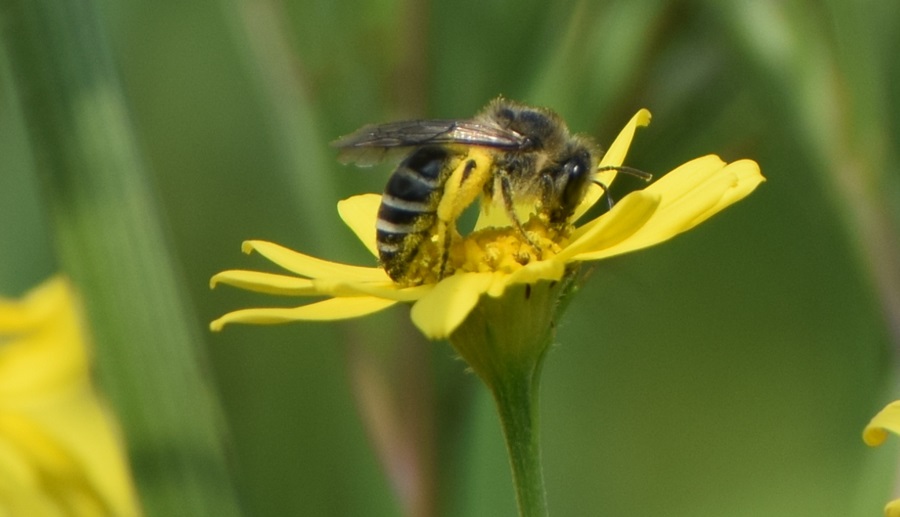
However, another lesser known group of bees plays a silent but significant role in pollination and ecosystem services – Stingless (Tetragonula iridipennis)


Stingless Bees: Small but significant:  Stingless bees often mistaken for small flies, live in small colonies within wall crevices, hollow tree trunks, and logs. Though tiny, they are powerful pollinators of crops such as brinjal (egg plant), tomato, ash gourd, beans and various wild shrubs, herbs and trees. They also produce honey, stored in small resinous pots.  This honey is highly valued in Ayurvedic medicine for its medicinal properties.   

Conservation of Stingless bees for Sustainable Agroecological System


In Sabbanhalli village near Bilikere, in Hunsur block of Karnataka, more than 50 stingless bee colonies were documented in the village, inside the farmhouse – a pump house made up of mud bricks. These colonies supported pollination of local crops and surrounding vegetation. However, a challenge emerged with the transition from mud brick farmhouses to cement brick construction. Unlike mud, cement brick walls do not provide suitable nesting cavities, thereby threatening the natural habitat of stingless bees due to harmful chemical pesticides used in commercial crops like cabbage.


Conservation efforts:


To address this issue, awareness programmes were initiated with the farmers through the following measures:


Colony rescue and Transfer: Natural colonies were carefully harvested and transferred to wooden bee boxes, enabling easier management and honey collection.


Training Programmes: Farmers were trained in stingless bee rearing, hive management and sustainable honey harvesting.


Habitat Conservation: Observations revealed that colonies thrived near jackfruit and coconut plantations, as these plants provided resin essential for building nests. Thus, promoting these crops indirectly and by introducing intercropping, stripe cropping, niger, sunflower and other nectar source crops, the survival of stingless bees is supported.


Ecological and Agricultural Significance: Stingless bees (T. iridipennis) are highly organized, with a social structure comprising of a queen, drones (males), workers and soldier bees. Workers not only forage but also clean and maintain the colony. Their ability to pollinate a wide variety of crops makes them vital for food security and biodiversity.


By conserving stingless bees, multiple benefits can be secured such as


  1. Enhanced Crop yields through pollination
  2. Preservation of biodiversity in agroecosystems
  3. Production of high-value medicinal honey
  4. Community–based income generation opportunities.

Reference:


https://www.fao.org/pollination/about/en#


Vinod Borse, Sadashiv Nimbalkar, Deepak Patil, and Sagar Jadhav

Agroecological Conservationists

BAIF Development Research Foundation, India

Mr. Vinod Borse (Entomologist)

Senior project officer
BAIF livelihoods, Maharashtra

LinkedIn Profile

BAIF celebrates its 59th Foundation Day

BAIF celebrates its 59th Foundation Day

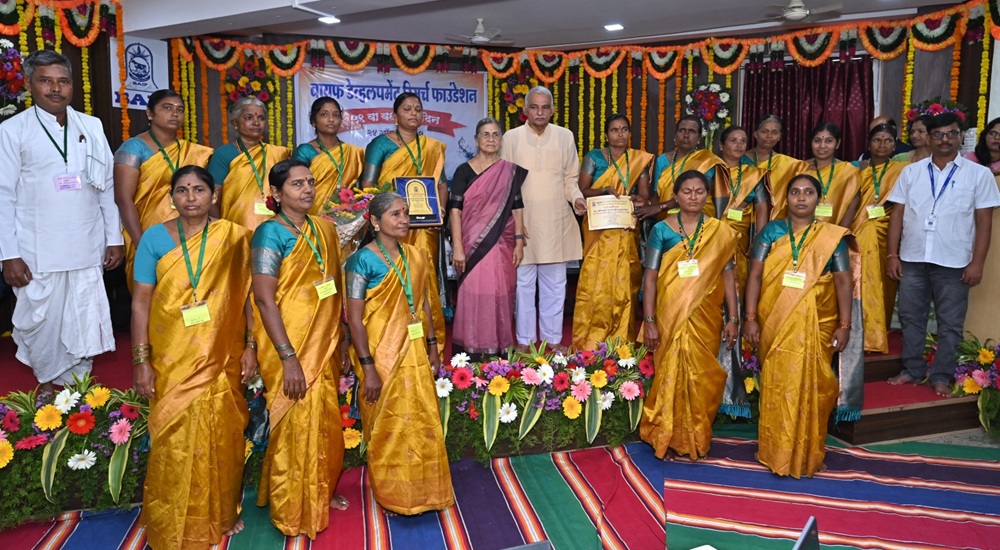
Best Self Help Group in BAIF’s Programme from Karnataka

Aug 24, 2025: BAIF team represents mini-India, stated Ramon Magsaysay and Padma Shree recipient, Dr. Prakash Amte at the 59th Foundation Day celebration of BAIF Development Research Foundation at Uruli Kanchan, Pune, while hailing the graphical rise of BAIF. Dr. Amte traced the genesis of tribal upliftment in the disadvantaged region of Gadchiroli in Maharashtra, their right to education and strong value system.

Dr. Prakash Amte at BAIF’s Foundation Day

A shift in the focus from land to lab and potential of perennial grasses to convert 100 million ha of wastelands into productive grasslands were expressed by Dr. Pankaj Kaushal, Director, ICAR-Indian Grassland and Fodder Research Institute, Jhansi. Mr. Yogesh Kapse, Head, CSR, Schaeffler India Pvt. Ltd., acknowledged the profound effect of the collaborative projects in restoration of degraded land and water resources on more than 5000 ha and conservation of more than 400 million litres of water in Maharashtra, Gujarat and Tamil Nadu.

Dr. Pankaj Kaushal, Director, Indian Grassland and Fodder Research Institute, with the Best Self Help Group of BAIF’s Programme from Maharashtra

Mr. Hrishikesh Mafatlal, Chairperson, BAIF, lauded the past and present leadership of BAIF for their simple living and high thinking philosophy and the effect of good karma for the progress of an organisation and country. Mr. Sunil Lalbhai, Chairperson, Finance Committee and Human Resources Committee of Trustees, BAIF, emphasised on the need for humility, ownership, shared success and trust. Mr. Girish Sohani, Trustee, BAIF, traced the growth of BAIF from a concept to a full-fledged organisation.
Dr. Bharat Kakade, President and Managing Trustee, BAIF, highlighted the outreach of 40 lakh families in 356 districts of 17 states in 2024-25. The BAIF Programme contributed Rs 28,000 crore to the rural economy. ICAR – CIRC’s approval of the All India Coordinated Research Projects on Gir and Sahiwal breeds will help to accelerate the improvement of these breeds in the country. Launch of ‘Gau’ and ‘Mahish’ genomic chips by Hon. Prime Minister Shri. Narendra Modi, National Gopal Ratna Award to BAIF Odisha for the third consecutive year, National Water Award, JSW-Times of India Water Resources Management and Climate Action Award, release of BN Hybrid 26 by IGFRI-ICAR, climate action, association of six lakh champion women and the success of 11 tribal students from Chondha, South Gujarat in the National Eligibility-cum-Entrance Test, were significant. The launch of BAIF Rural Innovation Centre and BAIF Incubation Centre, and the Strategic Plan 2030 to cover one crore families, were noteworthy.

Release of BAIF Publications

Outstanding women self-help groups from BAIF’s operational areas, livestock technicians, community resource persons, farmers, scientists, thematic specialists, best employee, special achievements and meritorious students were felicitated. BAIF publications were also released on this occasion.
Earlier, Mr. Shrinivas Kulkarni, Group Vice President, Finance welcomed the dignitaries, community members and women leaders. Dr. Jayant Khadse, Vice President, Livestock Development and Scientific Research, proposed the vote of thanks.
Independence Day celebrated at BAIF

Independence Day celebrated at BAIF

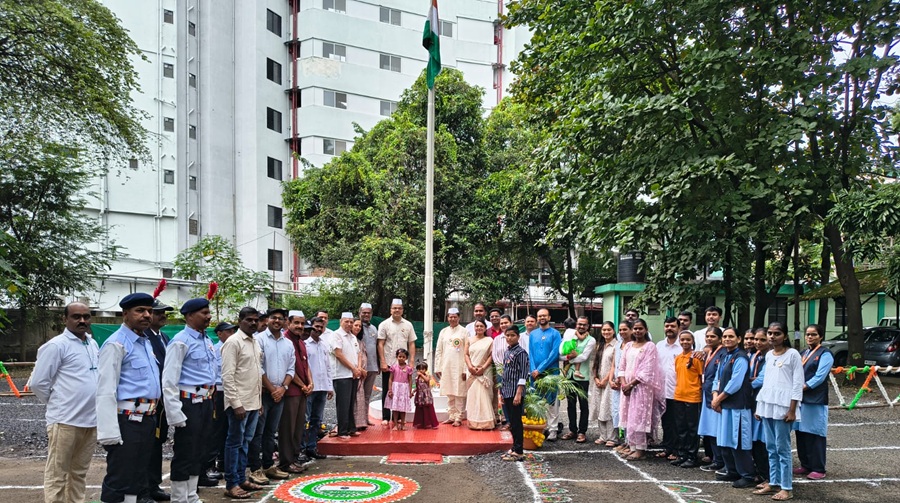
Aug 15, 2025: The 79th Independence Day of our great motherland and its entry into the 80th year of independence, was celebrated with patriotic pride and enthusiasm in all the operational areas of BAIF in the country.

The flag hoisting ceremony at the BAIF Head Office in Pune, was marked by a ceremonial guard of honour followed by the unfurling of the national flag at the hands of Dr. Bharat Kakade in the presence of Mr. Shrinivas Kulkarni, Dr. Avinash Deo, Mr. Mukul Baviskar and the Administrative and Programme staff and their children. Dr. Kakade called upon the need for streamlining women through entrepreneurship development, innovations, skilling, promotion of technologies in rural areas and their greater role in sustainable development. He also emphasised on the role of rural youth in the development of the country and their active involvement in the programmes of BAIF and especially through social enterprises. He highlighted the outreach of BAIF which is 4 million families at present and cumulative 7 million families and BAIF’s Vision 2030 which aims at bringing about a positive change in the lives of 10 million rural families and our alignment with Viksit Bharat@2047 for unprecedented prosperity and sustainable development. Mr. Shrinivas Kulkarni expressed the need to focus on People’s Organisations, FPOs, SHGs, innovations, role of social enterprises which has emerged as a strong pillar of BAIF and promotion of the products of our SHGs for their empowerment. He along with Dr. Deo made a plea to promote swadeshi products and to initiate this at the home, local community and at the society and organisational levels. Others who spoke on the occasion included Mr. Baviskar, Prashant Dudhade and Sucharita Dhar.

Exploring a Strategic Partnership between BAIF and Australian Institutions

Exploring a Strategic Partnership between BAIF and Australian Institutions

July 17: Mr. Christian Jack, Deputy Consul-General and Ms. Garima Shewkani, Economic Diplomacy and Visits Manager from the Australian Consulate-General, Mumbai, visited BAIF, Pune to explore the scope for strengthening Indo-Australian collaboration in the development sector. The visit also rekindled the relationship which was established 45 years ago.


Dr. Bharat Kakade, President, BAIF, highlighted the opportunity for BAIF to host satellite centres of Australian technical skilling institutions in India and the potential for joint initiatives in knowledge transfer, curriculum co-creation and capacity building for rural youth.

Mr. Christian Jack, expressed hope in strengthening social, economic, financial and networking ties with BAIF by exploring partnerships between BAIF and academic institutions, startups, scientific and research organizations and venture capital firms based in Australia and with the Australian Chamber of Commerce for potential partnerships with corporates. He presented the Certificate of Achievement to BAIF under the Australian Consulate-General, Mumbai’s Direct Aid Program 2024–25 for the initiative “Empowering Rural Communities for Agricultural Resilience and Sustainable Livelihoods” in 10 villages of Wardha district, Maharashtra. BAIF had received the Consul-General, Australian Consulate-General, Mumbai, to the project area in October 2024.


Mr. Shrinivas Kulkarni, Group Vice President – Finance, shared BAIF’s plan to incubate 30 rural-focussed startups in FY 2025–26 through the BAIF Incubation Centre, set up in collaboration with the Maharashtra State Innovation Society (MSInS). He also emphasized on the scope for strategic collaboration with Australian incubators and accelerators in the agri-tech space. Dr. Rajashree Joshi, Programme Director, presented BAIF’s integrated development model. Ms. Pritam Chandak, Mr. Sanwarmal Chejara, Mr. Dharmesh Bhavsar, Mr. Yogesh Sawant and Ms. Sucharita Dhar also interacted with the delegation.

Towards Climate-smart and Nutrition Sensitive Food Systems

Towards Climate-smart and Nutrition Sensitive Food Systems

July 9-11, 2025: In the Knowledge Summit held in 2018 in Delhi, experts from India and France shared their concerns on facing nutrition and food security resulting from the increasing frequency of extreme climatic events. They recognized agroecology transition as a key lever to face these challenges and agreed on the need to enhance innovation capacities by combining scientific research with the expertise of stakeholders. The project entitled “Towards Climate-smart and Nutrition Sensitive Food Systems” (CliNSFoodS) is a living lab initiative to experiment agroecology in a stakeholder innovations context. BAIF established the CliNSFoodS living lab in 2021 at Bilikere in Mysuru district of Karnataka with the support of Indo-French research collaboration.

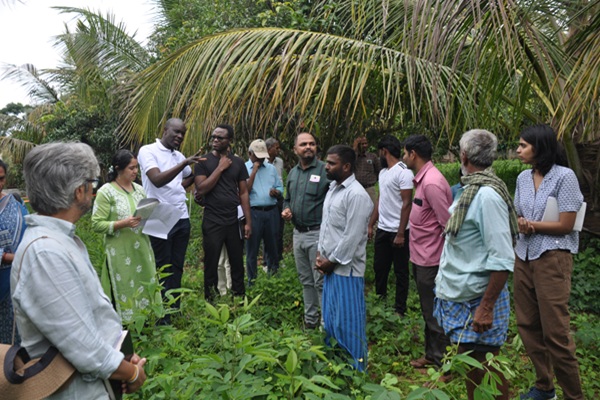
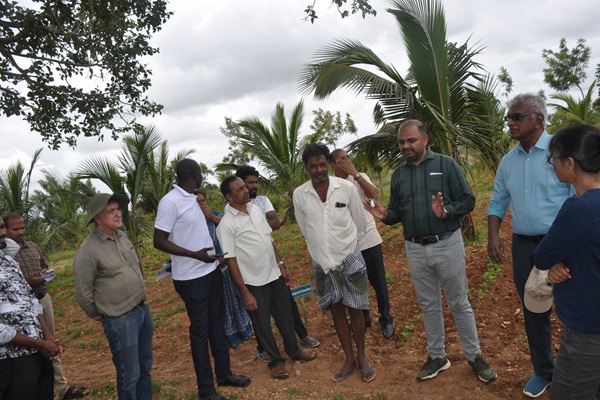
In this background, an experience-sharing workshop was organised by the Indo-French Cell for Water Science, Bangalore and BAIF Development Research Foundation, Pune to update the status of the living lab and explore the way forward. The workshop was held during 9-10 July 2025 at the Interdisciplinary Center for Water Research, Indian Institute of Science, Bengaluru, followed by the field visit to the project location at Bilikere on 11 July 2025.

Living lab initiatives with an emphasis on agroecological transitions from India, Senegal and Morocco were presented and future course of action to counter changing climatic conditions and ensure agricultural sustainability were discussed. Experts from diverse domains shared their experiences in ensuring farm sustainability and building resilience. The farmers practicing agroecological practices on their farms also shared their views on the need to ensure farm sustainability.

The workshop participants included Dr. Laurent Ruiz (Indo-French Cell for Water Science), Dr. Shekhar Muddu (Indian Institute of Science), Dr. Bharat Kakade and the living lab project team of BAIF, Dr. Smitha Krishnan (Alliance of Bioversity International and CIAT), Mr. Mame Birame Sene (Dytale, Senegal), Mr. Kolade Akakpo (CIRAD, Morocco) and representatives from ATREE, WASSAN and Rainforest Alliance.

Government of Maharashtra signs MoU with BAIF and Axis Bank Foundation for Holistic Development of Gadchiroli

Government of Maharashtra signs MoU with BAIF and Axis Bank Foundation for Holistic Development of Gadchiroli

June 06, 2025: In a landmark collaboration, the Government of Maharashtra, BAIF Development Research Foundation and Axis Bank Foundation signed a Memorandum of Understanding (MoU) for inclusive development of Gadchiroli, Maharashtra in the presence of Hon’ble Chief Minister, Shri Devendra Fadnavis at Gadchiroli.


The event was graced by Mr. Avishyant Panda, District Collector, Gadchiroli, Dr. Bharat Kakade, President, BAIF, Dr. Raviraj Jadhav, Regional Director, BAIF, Mr. Advait Majmudar, Senior Vice President & Group Head, Government Coverage Group, Axis Bank and Mr. Kapil Bhatra, Assistant Vice President & State Head, Rest of Maharashtra, Government Coverage Group, Axis Bank. Mr. Shailesh Bhagat, Chief Programme Manager, BAIF, was also present on the occasion.


This partnership blends the strategic intent of Axis Bank Foundation’s Sustainable Livelihood Programme with BAIF’s strength of sustainable rural transformation. Together, this collaboration is committed to enhance livelihoods through resilient agricultural practices, improved livestock management, development of micro-enterprises and stable market linkages. The partnership focuses on scalable, sustainable solutions to improve the lives and livelihoods of rural communities of Gadchiroli.


Hon’ble Chief Minister Shri Devendra Fadnavis emphasized, “This alliance exemplifies how government, corporate, and civil society can unite to drive transformative change.”


Dr. Bharat Kakade, President BAIF, highlighted BAIF’s role in ensuring “Policy and finance translate into tangible improvements in people’s lives.”


Ms. Dhruvi Shah, Executive Trustee and CEO, Axis Bank Foundation, said, “Through our partnership with BAIF, we are working to enhance income-generating opportunities for rural households in Gadchiroli driven by collective efforts with local stakeholders.”


The ceremony concluded with a pledge to track measurable progress and publish annual impact reports, ensuring transparency and accountability in Gadchiroli’s development.


BAIF is committed to sustainable development and climate action for the reversal of the chronic poverty plaguing rural communities and guiding them towards improved livelihood opportunities through promotion of climate-smart technologies. BAIF along with NABARD, State Bank of India Foundation, R G Manudhane Foundation for Excellence and Cargill Business Services, has been implementing various development programmes for upliftment of Gadchiroli district.


Recognition for BAIF as a Scientific and Industrial Research Organization

Recognition for BAIF as a Scientific and Industrial Research Organization

June 02, 2025: BAIF Development Research Foundation with its strong commitment to Development Research and significant contribution to this sector, has once again been certified as a Scientific and Industrial Research Organization (SIRO) by the Department of Scientific and Industrial Research (DSIR), Ministry of Science and Technology, Government of India. This certification, valid for the period 2025 – 2028, enables legitimate access to technical support, resources and expertise, ensuring expansion of BAIF’s research capabilities, greater credibility and scope for global branding.

Wings of Sustainability: Tracking Native Bees in Rural Maharashtra

Wings of Sustainability: Tracking Native Bees in Rural Maharashtra

Mr. Vinod Borse
May 28, 2025
Mr. Vinod Borse
May 28, 2025
When we talk about sustainable agriculture and food security, bees – those tiny, often unnoticed creatures – play a mighty role. In the year 2024-2025, I surveyed 19 Diverse Locations in Maharashtra to observe and document the region’s bee diversity. The goal was to better understand our native pollinators and their presence in rural and semi-natural landscapes.

Why bees matter?

Bees are the most efficient pollinators in the natural world. They help in fertilising over 75% of the world’s crops, making them essential not just to biodiversity but to our plates as well. In recent years, however, changes in land use, chemical farming and habitat loss have placed enormous pressure on wild pollinators.

This survey was designed to collect baseline data which can provide information on conservation strategies and sustainable farming practices.

The survey: what we saw?

Between mid-2024 and early 2025, I visited 19 rural locations across Maharashtra. These included farmlands, forest fringes, and agroforestry zones – habitats where both domesticated and wild bees forage and nest.

A total of 12 species of bees was recorded, each with its unique ecological role and behaviour.

Bee Species Recorded


What the data tells us?

Top spot goes to Apis florea – a wild honey bee that builds open nests. It was seen most often and in the highest numbers (19 individuals), showing its adaptability to rural landscapes. Apis cerana indica the domesticated Indian honey bee, also showed good presence. Its coexistence with wild bees is crucial for both ecology and livelihoods. Carpenter bees like Xylocopa tenuiscapa (8 individuals) suggest that some natural nesting habitats still persist, possibly in wooden structures or hollow stems. Solitary bees like Amegilla, Nomia and Pseudapis appeared in small numbers. their low visibility may point to reduced nesting spaces or competition for floral resources.

Rare Bees such as Tetragonula iridipennis (a stingless bee) and Ceratina smargdula highlight the fact that the hidden world of tiny pollinators is often overlooked in agricultural landscapes.

Ecological Reflections

This Survey confirms that despite growing development pressures, many native bee species are still present in Maharashtra’s rural ecosystem. However, the relatively low numbers of several species raise red flags about their long-term survival.

What can we do?

  • Plant more native flowers to support year-round foraging.
  • Reduce pesticide use, especially during the flowering season.
  • Preserve nesting habitats – mud walls, tree hollows, hedgerows, and open soil.
  • Raise awareness among farmers about pollinators and role in crop yields.

Bees and the future of farming

Bees are natures tiny farmers. Supporting them support us. As. Climate change disrupts weather patterns and crop cycles fostering a rich pollinators community in a no regret investment for resilience, based on the bee diversity data collected from 19 locations in Maharashtra, several key observations emerge; species like Apis florea, Apis cerana indica and Xylocopa tenuiscapa are relatively common while others such as Tetragonula iridipennis and Ceratina samaragdula are rare. Solitary and less visible species are under-represented possibly due to habitat degradation, competition, or lack of nesting and floral resources.

Bee Conservations Solutions and Activities

1.Enhance Floral Diversity

Why: Diverse Flowering Plants provide food year-round for a variety of bee species.

Activities: Establish Pollinator Garden using native flowering species in school grounds, community spaces and farm bunds. Promote intercropping and border planting with flowering plants like marigold, sunflower, niger, coriander and basil. introduce seasonal flowering trees and shrubs.


2.Create nesting habitats.

Why: Solitary and carpenter bees need specific habitats like open soil, wood cavities, and wall. crevices.

Activities: Install bee hotels using bamboo, wood blocks, and drilled logs. Leave patches of bare ground in farms and gardens for ground nesting bees like lasioglossum and Nomia. Avoid excessive tillage and land levelling in the off season. preserve mud walls, old trees and natural hedgerows.


3.Minimise pesticide Use

Why: pesticides are a major threat to both managed and wild bee populations.

Activities: Promote Integrated Pest Management (IPM) and use bio-pesticides like neem oil. Educate farmers on safe spraying times (early morning or evening when bees are less active) conduct farmer training on the impact of systematic insecticides like neonicotinoids.


 4.Farmer and Community Awareness

Why: Long term conservation depends on local participation and understanding.

Activities: Conduct village-level awareness campaigns using posters, wall paintings. Street plays and short films. Train SHGs, Youth and School children on the importance of bees celebrate World Bee Day (May 20) through community events bee walks.


5.Monitoring and Citizen science

Why: Local Monitoring helps track trends and fosters a sense of ownership.

Activities: Encourage citizen science by training local youth to document bee sights (e.g. using platforms). Develop a seasonal monitoring protocol to track species diversity and abundance. Collaborate with local institutions for research and data validation.


6.Policy and convergence

Why: Integrating bee Conservation into existing rural programs ensures scale and sustainability

Activities: Integrate pollinator-friendly practices into MGNREGEA, Watershed Programmes and Agroforestry schemes, partner with FPOs and cooperatives to  promote bee-friendly labelling and practices.


7.Promote Beekeeping and stingless Bee culture

Why: Beekeeping and Livelihoods and improve pollination.

Activities: Promote Apis cerana indica and Tetragonula iridipennis as an income-generating activity, especially for SHG and Youth; train framers in bee box maintenance, hive management, and honey processing; link bee products to local markets or agritourism initiatives. These activities together create a resilient, pollinator-friendly landscape that supports not just biodiversity, but also better crop productivity, climate resilience, and ecological balance.

Mr. Vinod Borse (Entomologist)

Senior project officer
BAIF livelihoods, Maharashtra

LinkedIn Profile

BAIF Rural Innovation Centre for Empowerment of Rural Community

BAIF Rural Innovation Centre for Empowerment of Rural Community

April 27, 2025: BAIF Rural Innovation Centre (BRIC) at Urulikanchan, Pune in Maharashtra, the first-of-its-kind Rural Knowledge Centre in a peri-urban area, was inaugurated by Shri. Giriraj Singh, Hon. Union Minister for Textiles, on April 27, 2025 in the presence of Dr. Bharat Kakade, President, BAIF, Shri. Sarveshwar Prasad Singh, MLC, Bihar, Shri. Ravi Madan, MD and Mr. Sanjay Agrawal, FiveF Agroecology LLP, senior officials from the Textiles Ministry and BAIF.


The Hon. Minister highlighted how a self-reliant rural economy can make a significant contribution to the Hon. Prime Minister’s mission of Atmanirbhar Bharat. He  emphasized the importance of scalable, replicable models implemented by BAIF through its on-going field programmes and by those being demonstrated at the Innovation Centre such as cactus value chain, plant propagation techniques, agrivoltaics, energy alternatives, soil enrichments, animal nutrition, animal genetics and land degradation neutrality initiatives in fostering climate mitigation and adaptation pathways while augmenting rural livelihoods. He encouraged BAIF to extend the high potential demonstrations at the Innovation Centre to various parts of the country.


Dr. Kakade in his address, stated that this innovation centre has evolved from the need to respond to the well-being and empowerment of the rural communities. He further stated that this unique centre will serve as a knowledge hub by providing information, resources and training on renewable and non-conventional energy technologies, livestock and dairy management demonstration. This centre will help generate employment opportunities for village youth through social enterprises and skills development, provide access to cutting-edge technologies and innovations and ensure scope for collaborative research. This innovation hub spread on 24 ha, will also focus on natural and organic farming practices along with artificial intelligence-driven technologies for promotion of sustainable climate-smart agricultural practices among the rural communities.

Floating solar panels on farm ponds, flexi solar panels on polyhouses, promotion of the Renkube Model to integrate solar energy generation and cropping, ground-mounted vertical solar panels, Bio-CNG unit, cultivation of high yielding hybrid Napier grass, spineless cactus arboretum and a vegan leather unit to demonstrate Cactus for Fodder, Food, Fuel, Fashion and Fertilizer are some of the proposed technologies. It is also planned to demonstrate wind energy and green hydrogen, smart heat management for drying vegetables, storage of grains and other products and a modern dairy farm of indigenous cows.
 
The Hon. Minister was accompanied by Shri Anil Kumar, IRS, Director, Ministry of Textiles, Shri Kartikya Dhanda, Secretary, Textile Committee, Government of India, Shri Chandrashekhar Singh, Senior Assistant Director, DC Handicrafts, Shri. Hanumant Rao Gaikwad, BVG India and Shri Satish Kumar Singh, Director, Office of the Textile Commissioner.

Apart from BAIF Senior team – Dr. Jayant Khadse, Mr. Rakesh Warrier, Mr. Pramodkumar Takawale, Dr. Vitthal KauthaleDr. Sachin Joshi, Dr. Shivaji Sontakke, Dr. Rahul Bahulikar and Mr. Sadashiv Nimbalkar, progressive leaders of Urulikanchan region were also present on this occasion.

BAIF receives Earth Care Award for Community-based Climate Action

BAIF receives Earth Care Award for Community-based Climate Action

April 16, 2025: The community-led climate actions of BAIF once again received national recognition! BAIF became a recipient of the prestigious JSW-The Times of India Earth Care Award among more than 1500 entries. The 12th edition of the awards, held on April 16, 2025 in Mumbai, honoured BAIF for its community-oriented approach towards climate action with solutions which are replicable in various parts of the country as well as in other developing countries. BAIF received the award at the hands of Sangita Jindal, Chairperson, JSW Foundation, Rajat Gupta, Senior Partner-Sustainability Practice, McKinsey & Company and Sivakumar Sundaram, CEO (Publishing) of the Times Group and were joined by the Programme-supporting organisation – HUL Prabhat team on this occasion.​

The community-based project entitled “Breakthrough solutions for natural resource management and effective use of water” which is being implemented by BAIF with the support of Hindustan Unilever Limited (HUL) in 25 villages of Khamgaon, Buldhana, Silvassa in Dadra and Nagar Haveli and Kutch since 2019, has proved to be a boon for 12,243 farmers as it has led to conservation of 6.46 billion litres of water and saved 9.9 billion litres through suitable soil and water conservation measures, groundwater recharge and micro-irrigation systems such as drip and sprinkler irrigation systems. Crop diversification, improved agricultural practices on 8556 ha, vegetable cultivation and promotion of agri-horti-forestry have given a boost to the crop yield and income of farmers of Rs. 42 crores, while nurturing the environment.​

In his address, President of BAIF, Dr. Bharat Kakade, highlighted the vulnerability of the communities – almost 60% of whom are dependent on agriculture which is again dependent on the vagaries of nature. BAIF is working on adaptation measures for building resilience and livelihood of 4 million families across about one lakh villages in various parts of the country, to fight against climate impact by reducing methane through livestock management and by reducing carbon emission through water, soil and crop management for ensuring natural resource management. He expressed his gratitude to HUL for their wholehearted support and to JSW and The Times of India for recognising the good work of BAIF.

BAIF Napier Hybrid recognised by ICAR

BAIF Napier Hybrid recognised by ICAR

April 07, 2025: BAIF Napier Hybrid-26 (BNH-26) has been recommended by the Ministry of Agriculture and Farmers Welfare, Government of India, for cultivation and release as an agricultural crop in Gujarat, Chhattisgarh, Madhya Pradesh, Maharashtra and Uttar Pradesh vide its notification of April 7, 2025. BAIF Central Research Station, Urulikanchan, Pune, is a designated Centre of the All India Coordinated Research Programme on Forage Crops (AICRP) of ICAR, for more than four decades. Its advanced research studies on agricultural crops, have helped farmers all over the country to cultivate improved fodder varieties with higher returns.​

Empowerment of Traditional Healers for strengthening Tribal Health

Empowerment of Traditional Healers for strengthening Tribal Health

Dr. Poonam Patil
Apr 07, 2025
Dr. Poonam Patil
Apr 07, 2025

Community health is crucial for ensuring longer, healthier lives, addressing health disparities, and increasing access to care, education and engagement. Communities which respond to critical health initiatives such as hygiene, nutrition, chronic diseases and mental well-being enjoys higher life expectancies with better health indicators.

India’s tribal population which is 104 million or 8.6% of the total population, faces significant health challenges, including higher rates of infectious diseases like malaria and tuberculosis, malnutrition, and non-communicable diseases like diabetes and heart disease with lower life expectancy. Key factors affecting community health include access to healthcare, affordable housing, nutritious food, social support and a healthy environment.

In tribal areas, inadequate access to comprehensive primary health care services, hygiene, sanitation and lack of awareness, are the primary reasons for poor health status of the community. In view of this, there is an urgent need to develop suitable mechanisms to bring low-cost, affordable and accessible healthcare systems to rural and tribal areas for ensuring access to health by everyone.


Herbal traditional systems led by traditional healers and well accepted by the community can be integrated into the system to take care of the primary health needs in villages at a nominal cost. Their knowledge needs to be systematically documented, promoting cultivation and propagation of medicinal herbs which can ensure sustainability. There is a need to harness the traditional healthcare system to supplement the mainstream healthcare mechanism in the country.

Need for Empowerment of Traditional Health Practitioner (THP)


  1. Lack of access to comprehensive primary health care services by the tribal community
  2. THPs are the primary point of contact for health services without authentication.
  3. Lack of modern knowledge and equipment for mainstreaming with the present health practices.

BAIF is addressing these challenges with livelihood generation and focussing on preventive health to improve the quality of life of tribal and rural communities through the following initiatives:


  • Empower and enhance the quality, security of health care services to rural and tribal community through traditional healers.
  • Authentication of THPs by Quality Council of India (QCI) Conserve, promote native medicines through Healers channel.


Tribal healers serve as essential connectors to bridge the healthcare gap and achieve these goals.


Community benefits


  • Accessibility
  • Availability of improved comprehensive primary health care services.
  • Linkages with modern health care system.


Environmental benefits


  • Conservation of Biodiversity
  • Sustainable Resource Management


Individual benefits


  • Increased income as supplementary livelihood
  • Authentication
  • Quality of life.


Conclusion


This health care model integrates traditional healing practices with modern healthcare with the goal of improved healthcare in tribal villages. Traditional medicine moves closer to culture and is available at an affordable cost thereby preventing exploitation. As Indians are accustomed to dietary restrictions, it becomes an integral part of traditional medicine and thereby increases acceptance among the community. The community are able to avail of primary health services in the village itself with the creation of a cadre of Traditional Health Practitioner (THPs) who remain an essential aspect of the complementary healthcare system in tribal areas. This system showcases a unique Health Delivery model for further scaling up and replication in other tribal regions of the country.

Case Story : A ray of hope for tribal families


Smt. Manjulaben Patel, a certified tribal healer from Amdha village in Valsad district of South Gujarat, has become a beacon of hope for her community. Prior to the certification through Vasundhara trust her skills and knowledge were unrecognized. However, her passion and dedication for healing, led her to assist other tribal healers and offer free healthcare to the tribal families. Despite a modest background, Manjulaben actively learnt and expanded her expertise in naturopathy through training received at the Nature Cure Ashram at Uruli Kanchan, Pune.

Her active participation in various forums such as Healers meet, Academic institute interactions and a Congress on “Ayurveda” helped strengthen trust among the community. As a result, her livelihood and quality of life improved significantly. Today, she earns an average of ₹70,000 per month and has established her own healthcare centre, “Charak Vanoushodhi Evam Kudarati Prathama Upchar Kendra,” where she provides treatment for various ailments such as paralysis, arthritis, joint pain, diabetes and women’s health issues. So far, she has treated around 11,200 patients.

Manjulaben also promotes traditional medicine and conservation of medicinal plants through the herbal garden established by her. As a mentor, she guides young healers and offers valuable knowledge on the use of herbs to local colleges.  Her journey is an inspiring example of how Women healers can make a significant impact on their communities and also enjoy improved quality of life.

Dr. Poonam Patil

Community Health Specialist
BAIF Development Research Foundation, Pune

Linkedin Profile